
Meo Vac Ha Giang: The rugged heart of the stone plateau
- Dec 8, 2025
- 4 min read
Meo Vac Ha Giang stands as the remote, rugged soul of the northern frontier, offering a raw and authentic experience that defines the true spirit of Ha Giang. Unlike its busier neighbor Dong Van, this district remains a quiet sanctuary of jagged limestone peaks and vibrant ethnic culture, serving as the endpoint of the legendary Ma Pi Leng Pass. This guide covers everything from the best travel times and transportation to the unique activities and flavors that make Meo Vac an unmissable stop on your highland loop.

Introduction to Meo Vac
Where is Meo Vac?
Meo Vac is located in the northeast of Ha Giang province, approximately 160 kilometers from Ha Giang City. It sits at an average altitude of over 1,000 meters, nestled deep within the UNESCO Global Geopark. Sharing a long border with China, it is considered one of the most remote and strategically important districts, acting as the gateway connecting Ha Giang with the neighboring province of Cao Bang.
How to get to Meo Vac town?
Reaching Meo Vac is an adventure in itself, usually serving as the final leg of the Ha Giang Loop. Most travelers arrive from Dong Van by crossing the majestic Ma Pi Leng Pass, a 20-kilometer journey that offers some of the most spectacular views in Southeast Asia.
By Motorbike: This is the most popular method, allowing you to fully experience the winding roads. From Ha Giang City, you typically follow Highway 4C through Quan Ba and Dong Van before descending into Meo Vac.
By Car: Private cars are a comfortable option for families or groups. The roads have been improved significantly, but a skilled driver is essential to navigate the steep gradients and sharp turns safely.
From Cao Bang: For those extending their trip, Meo Vac is accessible from Bao Lac (Cao Bang) via Highway 34. This route is less traveled but offers a stunning, river-side drive through untouched valleys.

Best time to visit Meo Vac
Meo Vac possesses a cool, temperate climate year-round, but specific seasons offer unique experiences. The most popular time is October to December, when the buckwheat flowers bloom across the rocky slopes and the weather is dry and crisp.
Spring (February to March) is another magical window, as peach and plum blossoms paint the gray limestone with splashes of pink and white. Summer (June to August) brings lush greenery and full waterfalls, though travelers should be prepared for sudden afternoon rains and potential fog on the passes.

Must-try activities in Meo Vac
Explore the Meo Vac Sunday market
The Meo Vac Sunday Market is widely regarded as the largest and most authentic ethnic market in Ha Giang. Every Sunday morning, thousands of Hmong, Dao, and Lo Lo people descend from the mountains in their finest traditional clothing to trade cattle, socialize, and eat. The highlight is the bustling livestock section, where hundreds of cows and pigs are bartered, creating a chaotic yet fascinating atmosphere of local commerce.

Visit Pa Vi Hmong cultural village
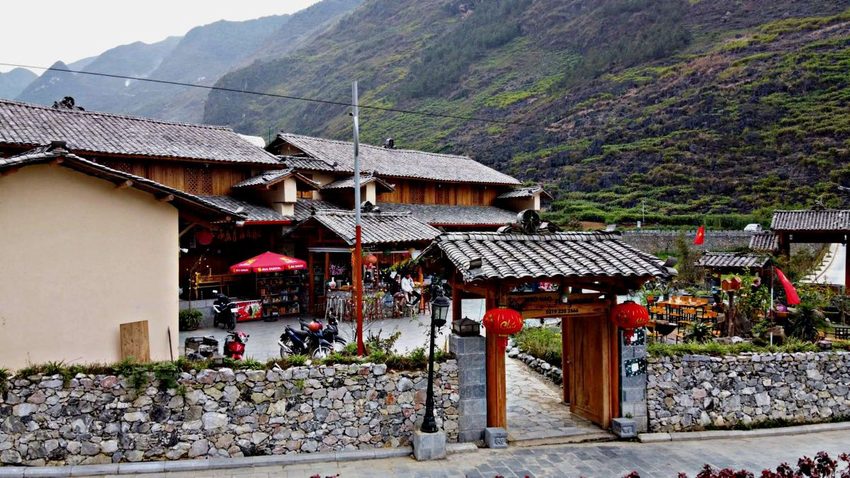
Located just a few kilometers from the town center at the foot of Ma Pi Leng Pass, Pa Vi Village is a beautiful example of community-based tourism. The village is designed in the traditional architectural style of the Hmong people, featuring yin-yang tiled roofs and earthen walls. It serves as a peaceful accommodation hub where you can stay in a homestay, learn about hemp weaving, and enjoy the serene valley views.

Attend the Khau Vai Love Market
If your timing aligns with the lunar calendar (typically late April or early May), the Khau Vai Love Market is a cultural phenomenon you cannot miss. Unlike a trading market, this unique festival is a place for ex-lovers to reunite and reminisce about their past relationships without jealousy. It is a profound celebration of love and human connection that attracts visitors from all over the world.

Conquer the Tu San Canyon
While technically shared with Dong Van, Meo Vac offers excellent access to the Nho Que River boat docks. Descending the steep roads to the river allows you to take a boat ride through the Tu San Canyon, the deepest canyon in Southeast Asia. Looking up at the towering cliffs from the water provides a humbling perspective on the scale of the landscape.

Foods you can't afford to miss in Meo Vac
The culinary scene in Meo Vac is robust and hearty, designed to fuel the locals through hard days of work in the mountains.
Thang Co (Horse Meat Stew): This is the quintessential dish of the highland markets. A large wok simmers with horse meat, organs, and a blend of 12 local spices including cardamom and star anise, creating a rich and warming stew best enjoyed with corn wine.

Au Tau Porridge: Made from the poisonous Au Tau root (which is detoxified through meticulous cooking), this porridge is a local comfort food. It has a distinctive bitter taste that turns sweet in the throat and is famed for its ability to relieve joint pain and aid sleep.

Corn Wine: No meal in Meo Vac is complete without a cup of this potent local spirit. Distilled from corn fermented with a special leaf yeast, it is strong and fragrant, serving as a symbol of hospitality in every ethnic home.

Nearby destinations you should pay a visit
Meo Vac serves as a strategic base for exploring several other key attractions in the region.
Ma Pi Leng Pass: Just outside the town, this pass is the primary reason many visit the area. Even if you drove it to get here, it is worth returning at sunrise or sunset to witness the changing light over the canyon without the midday traffic.

Khau Vai Commune: Beyond the Love Market, the drive to Khau Vai offers spectacular, off-the-beaten-path scenery. The landscape here is softer and greener than the main plateau, with the "stone maze" of Khau Vai offering a unique geological sight.
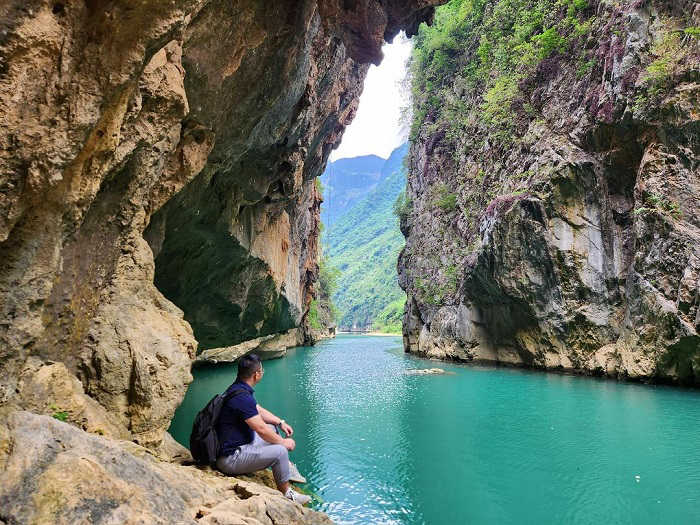
Niem Son and Bao Lac: Heading south towards Cao Bang, the route passes through Niem Son. This area features a dramatic change in scenery, with bamboo water wheels lining the river, offering a peaceful contrast to the rocky heights of the plateau.

Meo Vac offers a profound journey into a land where stone meets sky and culture remains timelessly preserved. From the vibrant chaos of the Sunday market to the silent majesty of the Tu San Canyon, it is a destination that demands to be felt rather than just seen. If you are ready to uncover the rugged heart of the plateau, our team is here to guide you on this unforgettable adventure.


Comments