
Ha Giang Loop Motorbike: A Complete Riding Guide to Northern Vietnam’s Most Iconic Route
Riding the Ha Giang Loop motorbike is one of those rare travel experiences where the journey itself becomes the destination. You are not simply visiting viewpoints or ticking off landmarks—you are constantly moving through a living landscape that changes every hour, every turn, and every stretch of road. From steep mountain passes to quiet valleys, from dramatic cliffs to peaceful villages, the ride feels like a continuous sequence of discoveries.

Overview of the Ha Giang Loop Motorbike Route
Ha Giang serves as the starting and ending point of the loop, which typically spans around 300–400 kilometers depending on the route you take. The loop connects key districts such as Quan Ba, Yen Minh, Dong Van, and Meo Vac, forming a circular journey through the northernmost region of Vietnam.

The terrain varies constantly, moving between valleys, high plateaus, and mountain passes. Roads are often narrow and winding, requiring focus and careful riding, but they are also well-paved in most sections. This balance between challenge and accessibility makes the Ha Giang Loop motorbike suitable for both experienced riders and adventurous beginners with proper preparation.
Best Time for the Ha Giang Loop Motorbike
Spring (March to May) – Green landscapes and mild weather During this period, the mountains become lush and vibrant, with comfortable temperatures ideal for long rides. Visibility is generally good, and the overall atmosphere feels fresh and open.
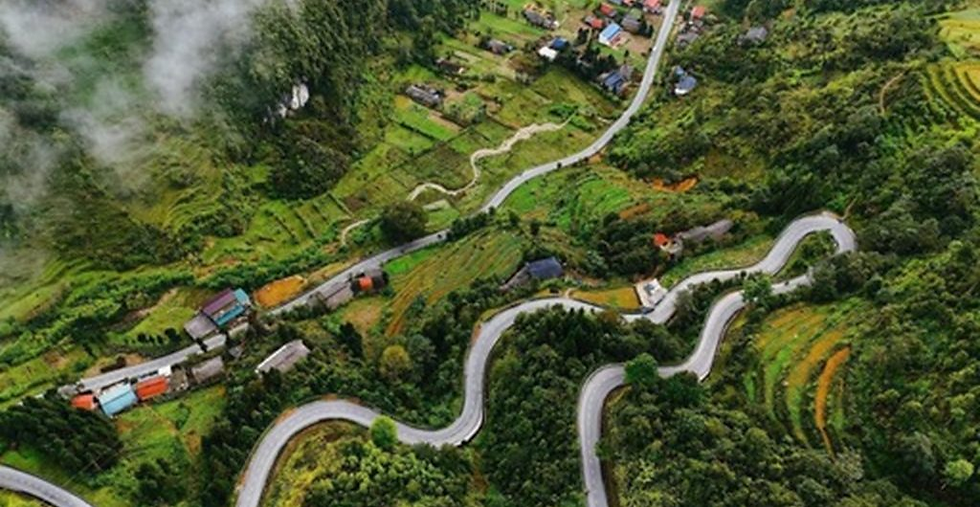
Autumn (September to October) – Golden rice terraces This is considered the most visually stunning time for the Ha Giang Loop motorbike, as rice terraces turn golden before harvest. The contrast between colors creates dramatic scenery across the region.
Winter (November to February) – Quiet and atmospheric Cooler temperatures and occasional fog create a more mysterious and peaceful experience. While visibility may vary, the lack of crowds adds a sense of isolation.
Key Highlights and Scenic Riding Sections on the Ha Giang Loop Motorbike
This is where the Ha Giang Loop motorbike truly comes alive—not just through famous landmarks, but through the roads themselves. Each section of the loop has its own character, rhythm, and visual identity, making the ride feel like a collection of different journeys combined into one.
Bac Sum Pass → Quan Ba Section: The First Ascent into the Mountains
Leaving Ha Giang City, the road quickly begins to climb as you enter Bac Sum Pass, marking your first real introduction to the terrain. The curves come one after another, gradually increasing in elevation, and the landscape begins to shift from flat land into rolling mountains. This section is not just a physical ascent—it’s also a mental transition, where you begin to understand what riding the Ha Giang Loop motorbike truly involves.

As you approach Quan Ba Heaven Gate, the road opens up to wide views of valleys and layered mountains. The famous Twin Mountains sit quietly below, offering a soft contrast to the rugged terrain around them. This stretch is ideal for short stops, allowing you to pause, adjust to the pace of the journey, and take in your first panoramic views of Ha Giang.
Quan Ba → Yen Minh: Rolling Roads and Rural Landscapes
This section of the Ha Giang Loop motorbike feels smoother and more relaxed compared to the initial climb, but it remains visually rich. The road winds gently through hills, forests, and small villages, offering a closer look at everyday life in the region.
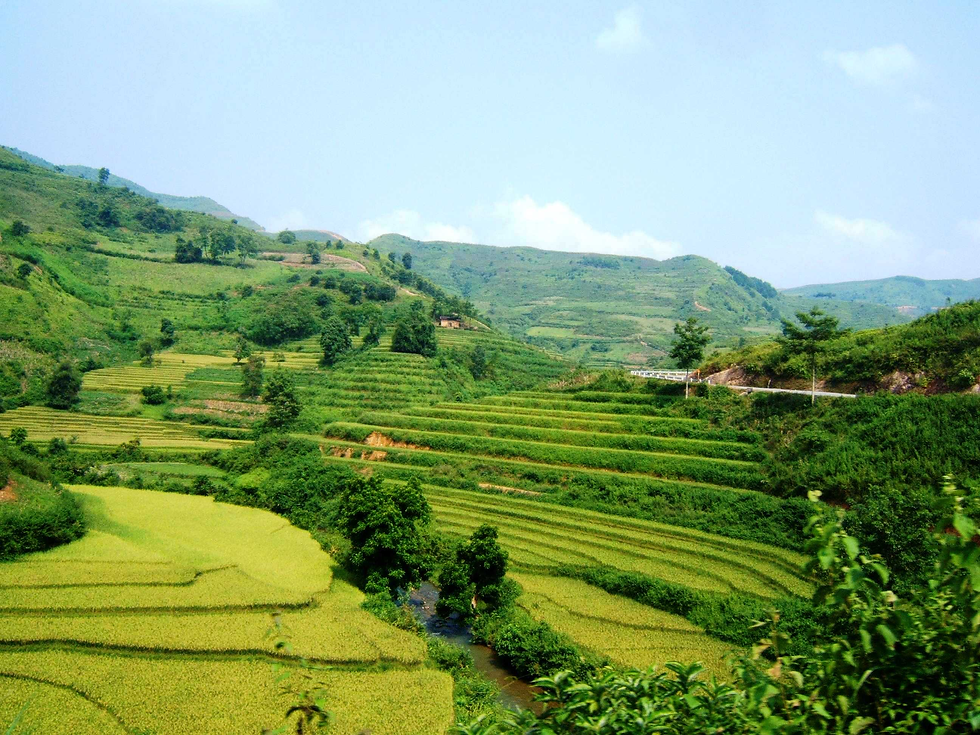
The ride here is less about dramatic views and more about immersion. The curves are softer, the pace is slower, and the experience becomes more intimate. This is where you begin to notice the details—children playing by the roadside, farmers working in the fields, and the quiet presence of mountains surrounding everything.
Tham Ma Pass → Dong Van: Sharp Turns and Expanding Views
As you leave Yen Minh, the road begins to climb again, leading you toward Tham Ma Pass, one of the most recognizable sections of the loop. The curves here are tighter and more frequent, requiring focus and control, but they also provide some of the most rewarding views. Each turn reveals a new perspective, making the ride feel dynamic and constantly changing.
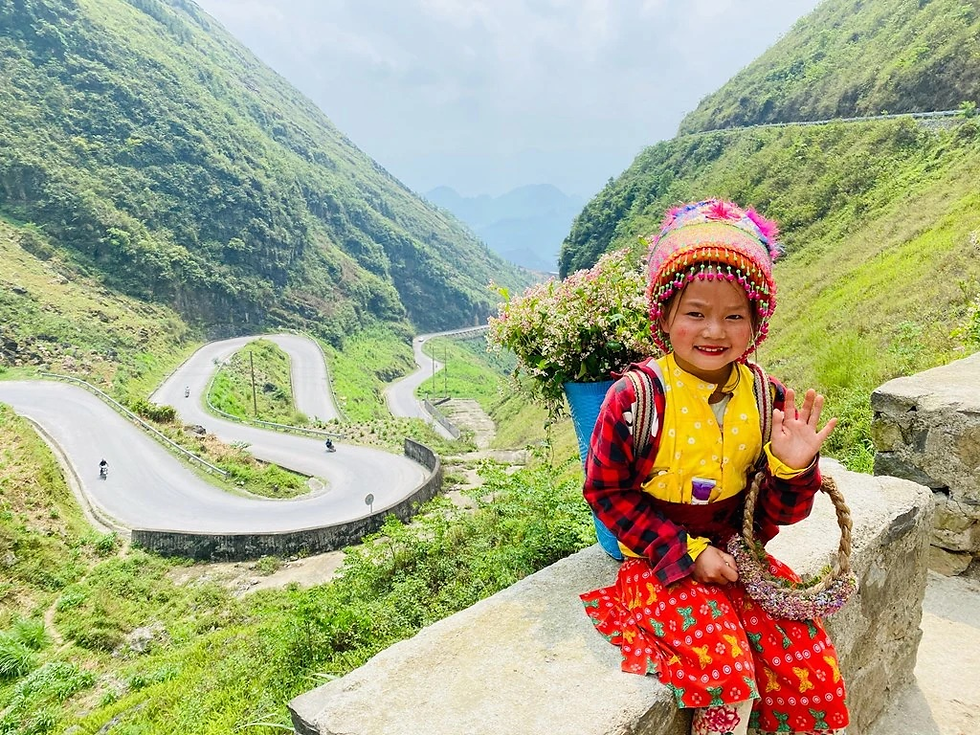
This section gradually introduces the rocky terrain of the Dong Van Karst Plateau, where the landscape becomes more rugged and open. The greenery fades, replaced by limestone formations and vast empty spaces that emphasize the scale of the region. Riding here feels different—it’s less about comfort and more about experiencing the raw beauty of northern Vietnam.
Dong Van → Ma Pi Leng Pass → Meo Vac: The Most Iconic Ride
This is the section that defines the Ha Giang Loop motorbike experience. The road from Dong Van to Meo Vac via Ma Pi Leng Pass is often described as one of the most beautiful in Vietnam, and it’s easy to see why.
The road hugs the side of steep cliffs, with the Nho Que River flowing far below in a deep canyon. The sense of height and exposure is intense, creating a feeling of both excitement and awe. Unlike other sections, this stretch is less about speed and more about absorbing the moment—every meter of the road offers a view worth stopping for.

Clouds often move through the mountains here, creating shifting layers that change the scenery in real time. One moment you see clear views of the valley, and the next, everything is partially hidden in mist. This unpredictability is part of what makes Ma Pi Leng Pass unforgettable.
Meo Vac → Mau Due → Du Gia: A Softer, More Intimate Landscape
After the dramatic intensity of Ma Pi Leng, the route toward Mau Due and Du Gia offers a completely different experience. The mountains become less steep, the valleys open up, and the overall atmosphere feels calmer. This section of the Ha Giang Loop motorbike is often overlooked, but it provides a refreshing contrast to the more famous parts of the route.
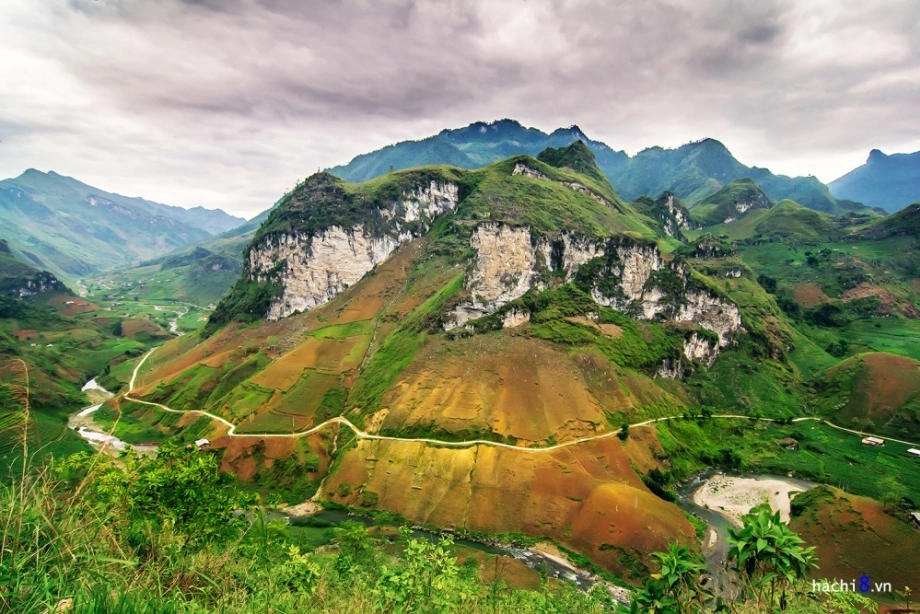
The roads here are quieter, with fewer travelers, allowing for a more personal and relaxed ride. You pass through small villages and farmland, where the connection between people and land becomes more visible. This stretch feels less like an adventure and more like a peaceful exploration of rural life.
Du Gia → Lung Tam → Ha Giang City: The Final Return
The final section of the Ha Giang Loop motorbike brings you back toward Ha Giang City, but it doesn’t feel like the journey is ending—it feels like a gradual transition back to reality. The roads become smoother, the terrain less extreme, but the scenery remains beautiful in a quieter way.
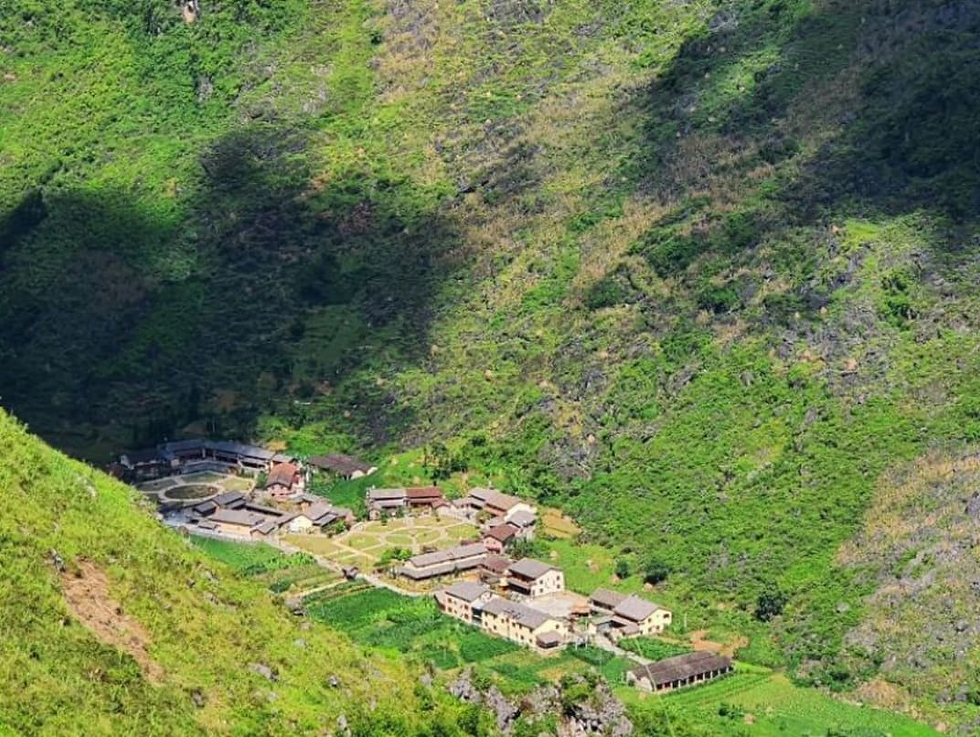
Passing through Lung Tam Village, you have the chance to see traditional textile craftsmanship, adding a cultural layer to the final day. The ride continues through valleys and hills, offering time to reflect on the journey and everything you’ve experienced along the way.
Why the Ha Giang Loop Motorbike is More Than Just a Ride
The Ha Giang Loop motorbike experience stands out because it combines movement, scenery, and culture into a single continuous journey. It’s not just about reaching destinations—it’s about how you move between them, how you interact with the environment, and how the experience changes you along the way.
Each section of the loop offers a different perspective, from dramatic mountain passes to quiet rural roads, creating a journey that feels complete and deeply engaging. The variety keeps the experience fresh, ensuring that no part of the ride feels repetitive.
Travel Tips for Riding the Ha Giang Loop Motorbike
Choose a reliable motorbike suited for mountain terrain
Wear proper protective gear, especially on long riding days
Check weather conditions daily before setting out
Take frequent breaks to stay alert and enjoy the scenery
Consider an easy rider if you lack confidence on mountain roads
The Ha Giang Loop motorbike is not just one of the best rides in Vietnam—it’s one of the most immersive travel experiences you can have in Southeast Asia. It challenges you, rewards you, and stays with you long after the journey ends.
If you want to experience the Ha Giang Loop motorbike without worrying about logistics, safety, or planning, working with Custom Asia Travel is a smart choice.


Comments